
Everyone knows that bathroom etiquette goes beyond just doing your business. When it comes to cleaning up after a poop, many might feel a bit shy discussing the ins and outs of proper hygiene. But fear not! This guide is here to tackle the often-awkward topic of how to clean inside the anus effectively and discreetly.
Importance of Proper Cleaning
Proper cleaning of the anus after a bowel movement plays a vital role in overall health. It helps prevent infections, irritation, and unwanted odors. Neglecting this task can lead to discomfort and hygiene issues over time.
Bacteria thrive in warm, moist areas, making thorough cleaning essential for reducing the risk of infections. Maintaining cleanliness eases skin irritation and prevents conditions such as rashes or anal fissures. Individuals may experience discomfort if residue remains, manifesting as itching or discomfort during daily activities.
Hygiene habits also impact mental well-being. Feeling clean can enhance self-confidence and comfort in social situations. Washing effectively fosters a sense of cleanliness and personal care that contributes to a positive mindset.
In addition to physical comfort, proper cleaning contributes to digestive health. Ensuring the anal area stays clean can decrease the chances of gastrointestinal disturbances caused by residual waste. Establishing a regular cleaning routine supports both physical and emotional health.
Educating oneself on proper techniques and products can significantly improve hygiene practices. Knowledge of effective cleaning methods motivates individuals to adopt healthier habits. Knowing the right materials to use, such as gentle wipes or bidets, enhances the overall experience.
Prioritizing proper cleaning not only ensures personal comfort but also reflects an understanding of bodily health. Taking a few extra moments for this task can yield long-term benefits, resulting in a healthier lifestyle.
Methods for Cleaning Inside Anus After Poop
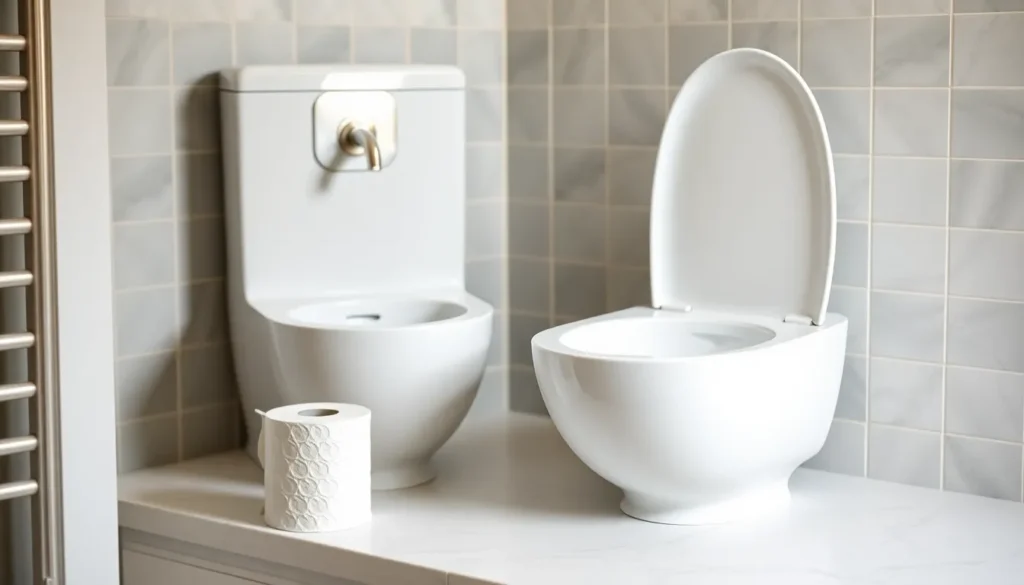
Effective cleaning methods enhance hygiene and promote overall health. Various techniques exist for ensuring cleanliness after a bowel movement.
Traditional Methods
Toilet paper serves as a common tool for cleaning. It’s important to use sufficient amounts to thoroughly wipe the area but be cautious to avoid irritation. Water rinsing can improve cleanliness, especially if available in the bathroom. Some individuals prefer using a dampened tissue or wet wipes designed for sensitive skin. These options often provide better results than dry toilet paper alone. Dermatologists recommend pat drying instead of rubbing, as this helps prevent irritation and discomfort.
Modern Solutions
Bidets have gained popularity for their thorough cleaning capabilities. They utilize a gentle water spray to cleanse the area effectively. This device reduces the need for excessive wiping and improves hygiene significantly. Portable bidet devices are also available for those without traditional installations. Advanced options, such as heated bidets, add an extra level of comfort during use. Additionally, pre-moistened wipes tailored for personal hygiene offer convenience and are easy to use while on the go. These products often come in biodegradable options, promoting environmental responsibility.
Tips for Effective Cleaning
Proper cleaning is essential for maintaining hygiene after a bowel movement. Utilizing the right tools and techniques can enhance this process significantly.
Tools and Products to Use
Selecting the right tools can improve cleaning effectiveness. Gentle wipes designed for sensitive skin offer a convenient solution. Bidets create a thorough cleaning experience with a gentle water spray. Portable bidet devices also contribute to hygiene on the go. Toilet paper remains a staple, but its effectiveness increases with plenty of moisture. Moisturized wipes or tissues provide added comfort while cleaning. Keeping these options accessible promotes better hygiene practices.
Techniques to Follow
Implementing effective techniques is crucial for optimal cleaning. Start by using toilet paper to remove excess waste before anything else. Rinsing with water enhances cleanliness, creating a refreshing feel. When using wipes, soft patting effectively cleanses without causing irritation. After cleaning, ensure thorough drying by gently patting with a soft towel. Regular cleaning routines help maintain overall hygiene and comfort. Following these techniques promotes confidence and reduces the risk of irritation or infection.
Common Mistakes to Avoid
Using excessive toilet paper can cause irritation instead of providing cleanliness. It’s essential to use enough to remove waste, but balance this with gentleness to avoid abrasion. Many individuals overlook the importance of wetness, as dampened wipes or a water rinse substantially improves cleanliness.
Skipping the drying step leads to residual moisture, encouraging bacteria growth. When drying, patting with a soft towel presents a suitable alternative to rubbing. Some people opt for scented wipes, which may irritate sensitive skin and disrupt natural pH levels. Selecting unscented products helps maintain skin health.
Neglecting the choice of products can also be detrimental to proper hygiene. Personal hygiene wipes made for sensitive skin provide effective cleaning without causing irritation. Regular cleaning routines often get overlooked; however, establishing them plays a crucial role in overall hygiene and comfort.
Improper use of bidets should be avoided. Positioning and water pressure need attention for optimal results while ensuring comfort. Rushing through the cleaning process can lead to insufficient cleaning, so taking the time to ensure thoroughness fosters better hygiene.
Finally, failing to educate oneself about effective techniques may hinder the cleaning experience. Familiarizing oneself with various options empowers individuals to make informed decisions, ultimately greatly enhancing personal care.
Maintaining proper hygiene after a bowel movement is essential for overall health and comfort. By adopting effective cleaning techniques and utilizing the right products, individuals can significantly reduce the risk of irritation and infections. Establishing a routine ensures that cleanliness becomes a natural part of personal care.
Choosing methods like bidets or gentle wipes can enhance the experience, making it both efficient and comfortable. Ultimately, prioritizing this aspect of hygiene not only boosts self-confidence but also contributes to long-term well-being. Embracing these practices reflects a commitment to personal health and a better quality of life.

