In a world where traditional classrooms sometimes feel more like a scene from a sci-fi movie than a learning environment, alternative education programs are stepping in like superheroes in capes. These innovative approaches to learning offer a refreshing break from the cookie-cutter methods that can leave students feeling like square pegs in round holes.
Understanding Alternative Education Programs
Alternative education programs address the shortcomings of traditional classrooms, fostering unique approaches to learning. These programs cater to diverse student needs, providing tailored educational experiences.
Definition and Purpose
Alternative education refers to diverse educational settings outside conventional school structures. These programs aim to serve students who struggle in traditional environments, addressing academic, social, or emotional challenges. By focusing on individual learning styles and fostering engagement, alternative education strives to enhance students’ academic success and personal growth. Many alternative programs emphasize experiential learning, facilitating hands-on experiences that encourage critical thinking and problem-solving.
Key Characteristics
Flexible structures define alternative education programs, accommodating various student needs. Learning approaches often vary, including self-paced learning, project-based assignments, and collaborative groups. Personalized education plans play a crucial role, allowing educators to tailor instruction to individual students. Supportive environments also characterize these programs, fostering a sense of belonging and community. Additionally, many alternative education programs prioritize life skills, emphasizing the importance of social-emotional development alongside academic goals.
Types of Alternative Education Programs
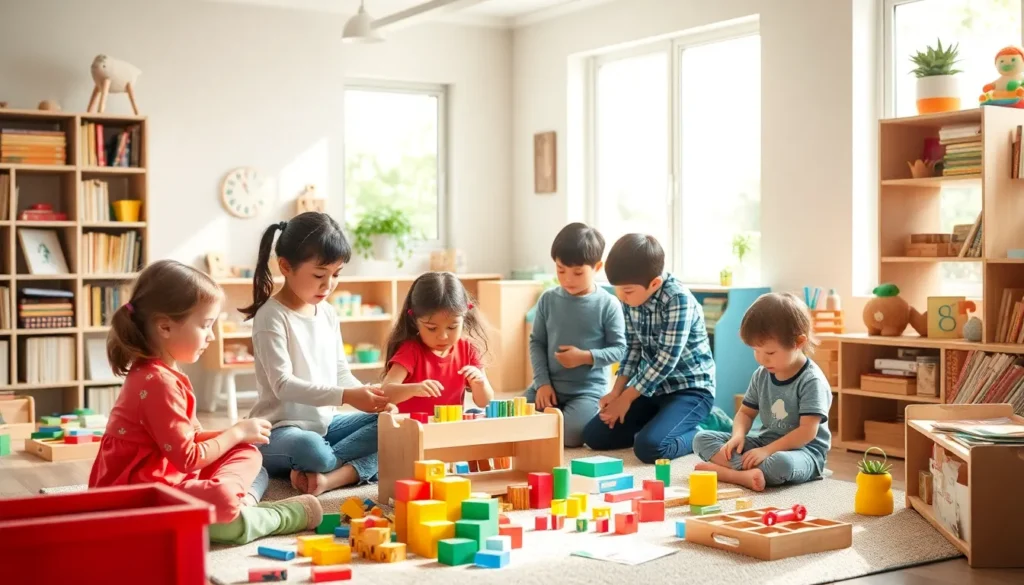
Alternative education programs encompass various models tailored to meet diverse learning needs. Several key types include Montessori schools, Waldorf education, and charter schools, each offering unique approaches.
Montessori Schools
Montessori schools emphasize hands-on, self-directed learning. In these environments, children explore subjects through interactive materials and activities. Educators serve as guides, facilitating learning rather than delivering traditional lectures. Classrooms often feature mixed-age groups, fostering collaboration and peer learning. This structure promotes independence, critical thinking, and a love for learning. Students typically demonstrate increased motivation and development of social-emotional skills.
Waldorf Education
Waldorf education focuses on holistic development through arts, practical skills, and academic subjects. Art projects, music classes, and storytelling play vital roles in the curriculum, promoting creativity. Teachers follow a developmental approach, aligning instruction with students’ growth stages. Extended time in nature and integrating environmental awareness enhances experiential learning. Emphasis on community, stewardship, and social responsibility further enriches the educational experience.
Charter Schools
Charter schools, governed by independent organizations, present flexible curricula outside conventional district regulations. These schools often target specific educational philosophies or student populations, allowing for innovation. Performance-based accountability ensures educational standards align with student outcomes. Many charter schools prioritize personalized learning, addressing individual needs and promoting academic achievement. Data-driven approaches track progress and adapt strategies to enhance student success in diverse learning environments.
Benefits of Alternative Education Programs
Alternative education programs offer critical advantages that cater to diverse student needs. These benefits help maximize each learner’s potential through tailored approaches.
Personalized Learning Experiences
Personalized learning experiences stand at the forefront of alternative education programs. Students engage in customized learning plans that align with their strengths and interests. Educators assess individual progress and adjust strategies accordingly. This adaptability enhances comprehension and retention of information. Such attention to unique learning styles fosters greater motivation in students. Alternative education often integrates one-on-one mentoring, providing additional support for those needing further assistance. Curriculum choices may also include project-based tasks targeting real-world applications, which encourages deeper understanding and relevance.
Flexible Curriculum
Flexible curriculum structures allow alternative education programs to respond promptly to students’ needs. Programs adapt lesson plans to accommodate various learning paces, ensuring that all students grasp key concepts before moving forward. Instructors employ a mix of teaching techniques, including hands-on activities, discussions, and multimedia resources. Such approaches maintain high engagement levels and cater to diverse learning styles. Diverse subject integration also occurs, emphasizing critical thinking over rote memorization. Schools can pivot their focus depending on student interests, encouraging a proactive learning environment. By granting educators autonomy to modify curricula, programs empower teachers to deliver impactful and relevant instruction.
Challenges in Alternative Education Programs
Alternative education programs face several significant challenges that can impede their effectiveness. Funding and resources significantly impact these programs’ ability to thrive and serve diverse student populations.
Funding and Resources
Limited financial support constrains many alternative education initiatives. Insufficient funding often results in inadequate facilities, supplies, or staffing. Resource scarcity forces educators to stretch budgets, impacting the quality of educational experiences offered. Some programs rely on grants or donations, which can fluctuate and create instability. Public funding varies across regions, leading to inconsistencies in available resources. Recent reports show that 30% of alternative programs struggle to maintain necessary facilities due to budget constraints. Program administrators often seek collaborations with community organizations to supplement resources, but securing consistent partnerships poses its own set of challenges.
Acceptance and Stigma
Acceptance remains a hurdle for alternative education programs. Many people still associate these initiatives with failure or inadequate education. Stigma surrounding non-traditional pathways discourages families from enrolling their children, as they fear negative perceptions. Additionally, societal misconceptions can shape attitudes toward alternative education, leading to a lack of support from local communities. Research illustrates that approximately 40% of parents express concerns about the effectiveness of alternative programs compared to conventional schooling. Increased awareness and advocacy are essential to combat this stigma and promote understanding of the benefits inherent in alternative schooling methods.
Alternative education programs represent a vital shift in how learning can be approached. By prioritizing individual needs and fostering supportive environments, these programs empower students to thrive beyond traditional classroom limitations. Their diverse methodologies cater to various learning styles, ensuring that every student has the opportunity to succeed.
Despite the challenges they face, including funding and societal stigma, the potential benefits of alternative education are significant. As awareness grows and advocacy continues, more families may recognize the value of these innovative programs. Embracing alternative education can lead to a brighter future for students who need a different path to achieve their academic and personal goals.

