In a world where traditional classrooms can feel like a never-ending cycle of boredom, alternative education programs are shaking things up. Imagine a place where learning happens through hands-on experiences, creativity, and a sprinkle of fun. These programs offer a refreshing escape from the cookie-cutter approach, allowing students to explore their passions while gaining essential skills.
Understanding Alternative Education Programs
Alternative education programs cater to diverse learning styles and environments, offering unique educational experiences beyond conventional classrooms. These programs promote engagement and creativity, allowing students to thrive while pursuing individual interests.
Definition and Purpose
Alternative education programs refer to non-traditional teaching methods that foster personalized learning. Their purpose includes serving students who struggle in standard settings or seek a different approach. These programs aim to build essential skills while encouraging creativity and critical thinking. Flexibility stands as a key aspect, adapting curriculums to fit specific needs. Students often engage with hands-on activities, promoting a deeper understanding of subjects.
Types of Alternative Education Programs
Various types exist within the realm of alternative education. Montessori schools focus on self-directed learning and mixed-age classrooms. Waldorf education emphasizes artistic expression and a holistic approach. Project-based learning programs encourage collaboration through thematic projects. Online learning platforms offer flexibility and accessibility for all students. Homeschooling provides individualized instruction tailored to the student’s pace and interests. Each type approaches education differently, addressing the unique needs of students.
Finding Alternative Education Programs Near Me
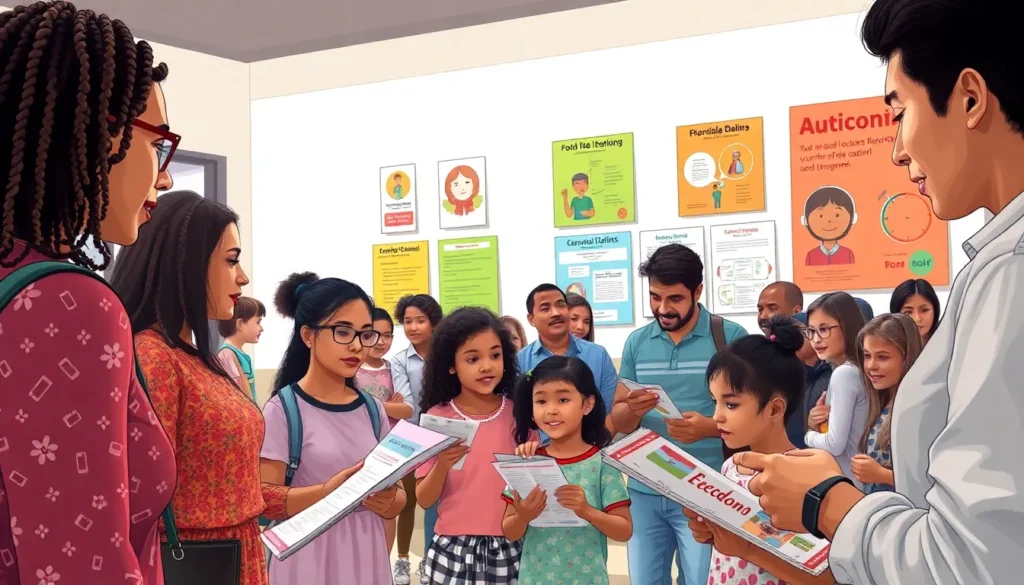
Searching for alternative education programs can lead to various valuable resources. Many options cater to different learning styles and environments.
Online Resources and Directories
Numerous online platforms offer comprehensive directories of alternative education programs. Websites like GreatSchools and Niche provide user-generated reviews, rankings, and detailed descriptions. Local listings often include Montessori schools, Waldorf institutions, and homeschooling networks. Packed with filters, these directories allow users to search by location, age group, and educational approach. Exploring these sites can reveal community ratings and highlights, helping families select the best fit.
Local Community Centers and Organizations
Local community centers frequently host information sessions on alternative education options. Many neighborhoods partner with organizations that focus on education, offering workshops and classes. Parents can attend events to connect with local schools such as charter programs and cooperative schools. Engaging with community resources often brings insights from other parents or educators. Outreach programs frequently distribute flyers and brochures that detail available programs and contacts. Exploring these resources can significantly aid in finding alternative education choices nearby.
Benefits of Alternative Education Programs
Alternative education programs offer numerous advantages. These programs emphasize customized learning, ensuring that education aligns with individual student needs.
Personalized Learning Approaches
Personalized learning approaches create tailored educational experiences. Students engage at their own pace and focus on topics that interest them. Teachers facilitate growth through mentorship, allowing for mentorship opportunities. This flexibility promotes motivation and enhances retention. Adjustments create an environment where students feel valued and understood. Achieving success in their unique ways leads to improved self-esteem.
Support for Diverse Learning Styles
Support for diverse learning styles enhances student engagement and achievement. Each program employs various instructional strategies to accommodate visual, auditory, and kinesthetic learners. Creativity thrives in settings that embrace multiple perspectives. Students interact through group projects, discussions, and hands-on activities. These different methods encourage critical thinking and problem-solving. Individualized attention from educators ensures that every learner feels appreciated. By catering to diverse needs, alternative education programs foster an inclusive atmosphere that benefits all students.
Popular Alternative Education Programs
Alternative education programs encompass various innovative approaches to learning that diverge from traditional schooling. Exploring these options reveals unique environments tailored to different student needs.
Montessori Schools
Montessori schools focus on self-directed learning where students explore at their own pace. In these settings, classrooms feature mixed-age groups that promote peer learning and collaboration. Teachers serve as guides, fostering independence in students. Hands-on materials enhance learning by engaging multiple senses, benefiting kinesthetic and visual learners. Parents often notice a significant increase in motivation when children pursue their interests. Research indicates that Montessori education supports cognitive and social development, emphasizing critical thinking and problem-solving skills.
Waldorf Education
Waldorf education prioritizes imaginative play and artistic expression, creating a holistic learning experience. Curriculum features a balanced blend of academics, arts, and practical life skills. Students engage in hands-on projects that stimulate creativity while fostering a love for learning. Teachers nurture strong relationships with students, allowing for personalized guidance. The focus on rhythm and routines allows children to thrive in a stable environment. Studies show that Waldorf schools can lead to well-rounded individuals who exhibit emotional intelligence and critical thinking skills.
Exploring alternative education programs can open doors to enriching learning experiences tailored to individual needs. These innovative approaches not only enhance engagement but also foster essential skills like creativity and critical thinking. Families can find valuable resources in their communities and online to help identify the best options available. By embracing these alternative pathways, students can thrive in environments that celebrate their unique learning styles and interests, ultimately leading to a more fulfilling educational journey.

