
Second grade is a magical time when kids dive into the world of learning with wide-eyed wonder and boundless energy. As they transition from the basics to more complex concepts, engaging activities become essential for keeping those little minds sharp and excited. From creative arts and crafts to fun science experiments, the right activities can turn any dull afternoon into an adventure.
Overview of Second Grade Activities
Second grade activities play a crucial role in fostering children’s educational growth. Engaging tasks stimulate critical thinking, creativity, and social skills. Arts and crafts enhance fine motor skills while allowing self-expression.
Reading comprehension becomes more advanced with interactive story sessions. Students explore various genres through group discussions and literature circles. This helps build a love for reading and strengthens their analytical abilities.
Math activities shift from basic operations to problem-solving skills. Hands-on games and manipulatives make abstract concepts tangible. They encourage collaboration and teamwork. Real-world application of math through shopping simulations or cooking projects brings relevance to learning.
Science experiments encourage curiosity about the world. Simple experiments, like plant growth trials, teach observation and measurement skills. Engaging in the scientific method provides a structured approach to exploration.
Physical education promotes health and teamwork. Activities, ranging from sports to dance, enhance coordination and fitness. Outdoor play fosters social interaction and develops teamwork.
Incorporating technology further enriches learning experiences. Educational apps provide interactive opportunities for math and reading practice. Virtual field trips expand horizons beyond the classroom.
Exposure to diverse cultures and perspectives broadens understanding. Activities that celebrate various traditions encourage inclusivity. Collaborative projects heighten appreciation for global citizenship.
Regular reflection on experiences enhances metacognition. Journaling helps students articulate thoughts and feelings about their learning journeys. Celebrating successes, whether big or small, builds confidence and motivation.
These activities ensure second graders thrive academically and socially. Engaging and diverse experiences lay the foundation for lifelong learning.
Importance of Engaging Activities
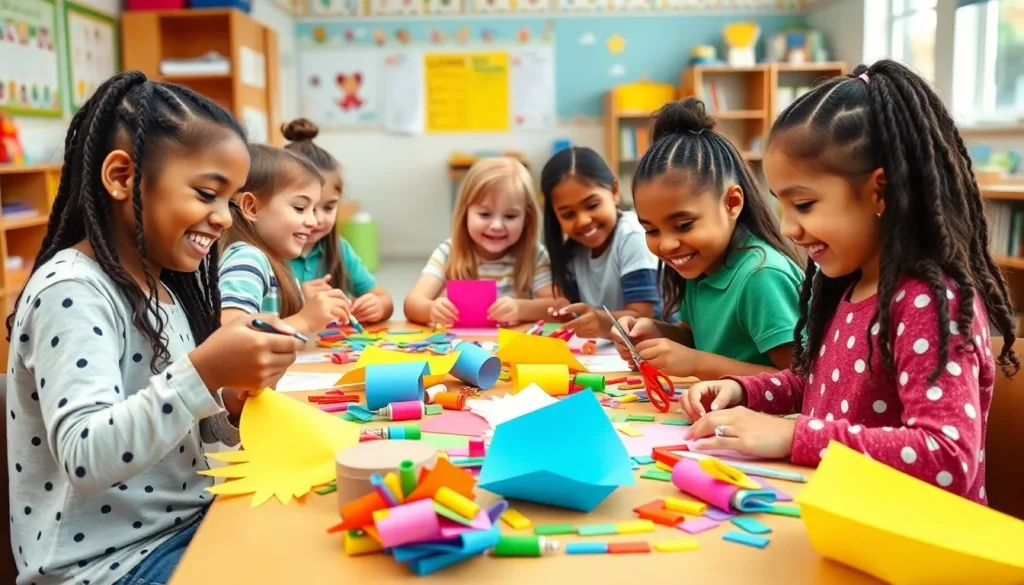
Engaging activities play a crucial role in second graders’ educational experiences. Such activities nurture their overall development and keep their curiosity alive.
Cognitive Development
Cognitive development flourishes through engaging activities. Activities like arts and crafts enhance fine motor skills while boosting creativity. Hands-on games help reinforce math concepts, transitioning basic operations into problem-solving strategies. Science experiments ignite curiosity, enabling students to observe and question the world around them. Interactive story sessions bolster reading comprehension and nurture a love for literature. Journaling offers a reflective space for students to articulate thoughts, reinforcing their cognitive processes. Overall, these activities solidify a strong foundation for critical thinking, making learning both enjoyable and effective.
Social Skills Enhancement
Social skills enhancement occurs in cooperative learning environments. Group projects create opportunities for teamwork and collaborative problem-solving, essential skills in today’s world. Engaging with peers during activities fosters communication and builds relationships. Children practice conflict resolution and share ideas, strengthening their ability to navigate social dynamics. Participating in physical education promotes teamwork and healthy competition, reinforcing cooperation. Exposure to diverse cultures through various activities cultivates empathy and global awareness. Regular interaction during these engagements empowers students, helping them develop confidence in social situations.
Types of Second Grade Activities
Second grade activities encompass a variety of engaging experiences that promote learning and development. These activities enhance academic, creative, and physical skills, enabling children to thrive during this crucial stage.
Academic Activities
Academic activities stimulate foundational skills in reading, writing, and mathematics. Reading groups encourage collaboration, improving comprehension through shared discussions. Writing exercises enable students to express ideas clearly while expanding vocabulary. Math games introduce problem-solving through practical applications. Hands-on science experiments cultivate curiosity and analytical skills. Students develop critical thinking and reasoning abilities through puzzle activities. Each academic activity builds a solid knowledge base that supports future learning challenges.
Creative Activities
Creative activities enrich second graders’ experiences, fostering self-expression and innovation. Arts and crafts projects invite imagination, allowing children to explore colors and textures. Storytelling sessions enhance narrative skills while promoting creativity. Dramatic play encourages role-playing, enabling kids to express emotions and understand different perspectives. Music activities, like singing or instrument playing, stimulate auditory skills and rhythm awareness. These creative endeavors boost confidence and adaptability, essential traits for lifelong learning.
Physical Activities
Physical activities promote health, teamwork, and coordination among second graders. Outdoor games, such as tag or capture the flag, encourage active play and social interaction. Structured sports, like soccer or basketball, teach cooperation and sportsmanship while fostering fitness. Dance classes allow children to express themselves rhythmically while enhancing motor skills. Relay races develop teamwork and strategic thinking. Each physical activity contributes to overall well-being and instills the importance of leading an active lifestyle.
Tips for Implementing Second Grade Activities
Implementing second grade activities requires a thoughtful approach to maximize engagement and learning outcomes. Strategies should consider various aspects of student needs and preferences.
Considerations for Learning Styles
Recognizing different learning styles enhances activity effectiveness. Visual learners benefit from colorful materials and diagrams. Auditory learners thrive in discussion-based settings where they can hear and verbalize concepts. Kinesthetic learners engage more fully with hands-on activities, like science experiments or arts and crafts. Incorporating a mix of teaching styles ensures every student connects with the material. Adapting activities on a rotating schedule accommodates various preferences, which fosters broader understanding.
Incorporating Fun and Excitement
Creating engaging learning environments excites second graders. Strategies include integrating games into lessons to make learning enjoyable. Arts and crafts activities spark creativity while reinforcing academic concepts. Storytelling sessions captivate attention, enhancing comprehension and vocabulary skills. Incorporating technology, such as educational apps, captivates students’ interest and helps them explore new ideas. Celebrating milestones through themed events promotes enthusiasm. By prioritizing enjoyment within learning, students remain motivated and eager to participate in their educational journey.
Second grade is a crucial time for children as they develop essential skills and a love for learning. Engaging activities play a vital role in keeping their enthusiasm alive. By integrating academic, creative, and physical experiences, educators can create a rich learning environment that caters to diverse needs.
These activities not only enhance cognitive development but also foster social skills and teamwork. Emphasizing hands-on learning and collaboration encourages second graders to explore their interests and build confidence. As they navigate this exciting stage, the right activities will lay a strong foundation for their future educational journeys.

