In a world where traditional classrooms often feel like a scene from a bad sitcom, alternative education methods are stepping in to save the day. Forget the chalk dust and rigid desks; these innovative approaches are shaking things up and making learning exciting again. Whether it’s unschooling, Montessori, or online platforms, there’s a treasure trove of options that cater to diverse learning styles.
Imagine a classroom where students thrive on curiosity rather than conformity. Alternative education methods empower learners to take the reins, turning them from passive recipients of knowledge into active explorers. With a dash of creativity and a sprinkle of flexibility, education can transform into an adventure rather than a chore. So, buckle up as we dive into the fascinating world of alternative education and discover how it can revolutionize the way we think about learning.
Understanding Alternative Education Methods
Alternative education methods encompass diverse approaches designed to meet unique learning preferences. Unschooling prioritizes self-directed education, promoting exploration based on individual interests and real-life experiences. Montessori education emphasizes hands-on learning, allowing children to progress at their own pace in a prepared environment.
Online platforms create accessible learning environments, offering flexibility for students to engage with materials anytime and anywhere. Project-based learning represents another innovative method, enabling students to work on real-world problems while collaborating with peers. These frameworks support creativity by focusing on critical thinking and personal growth.
Several alternative education models emphasize the importance of social and emotional development. Waldorf education nurtures imagination, integrating arts and academics. Democratic schools foster community involvement, giving students a voice in decision-making processes.
Each approach values student agency and encourages a love for learning. With personalized curriculums, students actively explore subjects that spark their curiosity. Research indicates that these methods often lead to higher student motivation and retention rates.
Adopting alternative education can significantly transform the learning experience. Empowering students to become active participants in their own education strengthens their sense of responsibility and critical thinking abilities. Ultimately, alternative education methods reshape traditional values, emphasizing adaptability, creativity, and lifelong learning.
Types of Alternative Education Methods
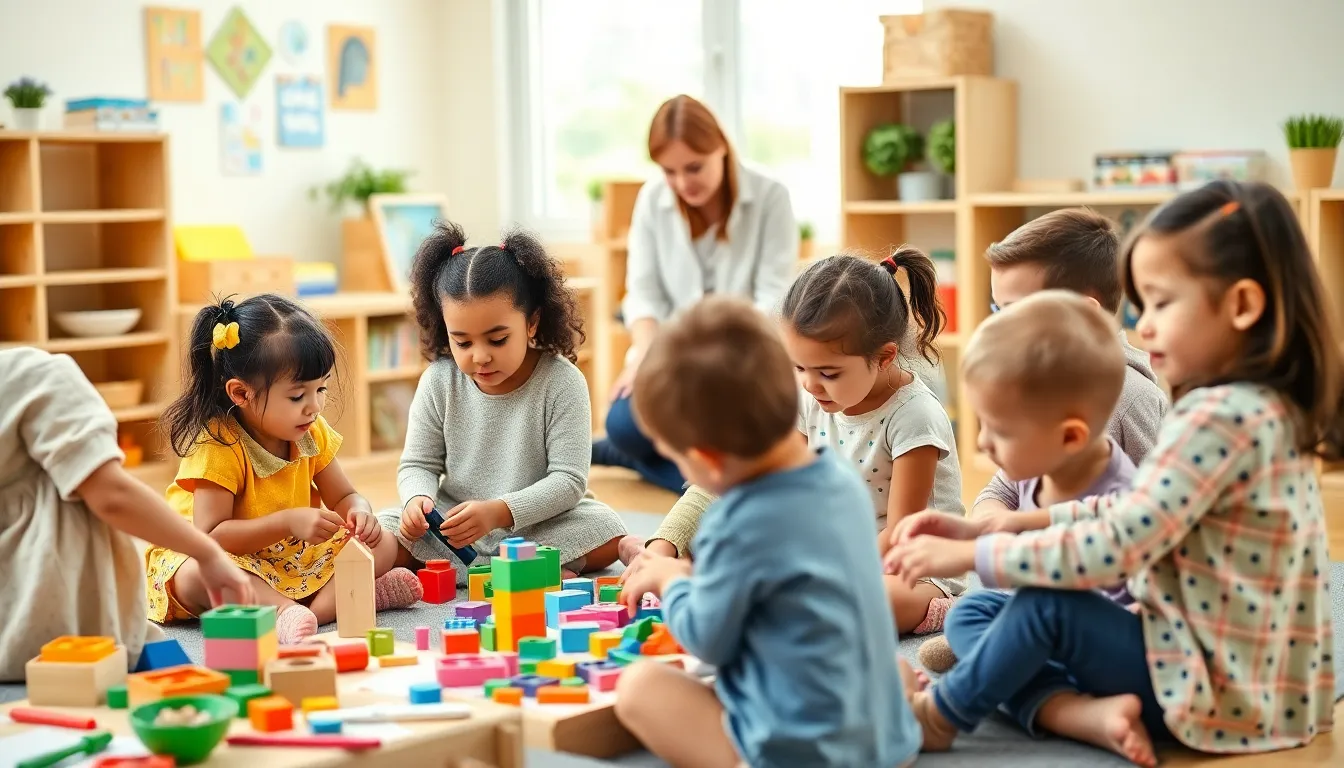
Alternative education methods encompass various innovative approaches tailored to meet students’ diverse learning styles. Each method prioritizes student agency, fostering an environment that encourages curiosity and a love for learning.
Montessori Approach
Montessori education focuses on creating a prepared environment where children engage in hands-on learning. Children learn at their own pace, selecting activities that interest them. This approach promotes independence and self-discipline, allowing learners to develop critical thinking and problem-solving skills. Teachers act as guides rather than traditional instructors, helping students navigate their educational journey. Classrooms often contain multi-age groups, fostering peer learning, collaboration, and social development.
Waldorf Education
Waldorf education emphasizes holistic development, integrating arts, crafts, and academic subjects. This approach nurtures emotional, intellectual, and physical growth throughout a student’s formative years. Teachers remain with the same class for multiple years, fostering deep connections and personalized attention. Lessons incorporate storytelling, nature exploration, and rhythmic activities to create a rich learning experience. The curriculum adapts to developmental stages, focusing on creativity and imagination rather than standardized testing.
Unschooled Learning
Unschooling centers on student-led, self-directed learning, valuing interests and intrinsic motivation. Students choose what, when, and how they learn, leading to personalized educational experiences. This method cultivates curiosity and allows learners to explore real-world issues. Resources such as community programs, mentors, and technology support informal learning experiences. Parents often facilitate opportunities for exploration and discovery, guiding rather than directing children’s educational paths.
Benefits of Alternative Education Methods
Alternative education methods cater to individual learning needs, fostering engagement and success. These approaches offer unique benefits that enhance student experiences.
Personalization of Learning
Personalization defines alternative education, allowing students to learn at their own pace. Learners select subjects that interest them, promoting intrinsic motivation. Customizing educational paths accommodates different styles, ensuring everyone’s needs are met. Each learner engages with content that resonates, which cultivates deeper understanding. Adaptive learning technologies often support this process, providing resources tailored to individual progress. Schools embracing these methods report higher retention rates and a more profound love for learning among students.
Fostering Creativity
Creativity thrives within alternative education settings, encouraging innovative thinking. Students engage in hands-on activities that stimulate imagination and problem-solving skills. Project-based learning models allow exploration of real-world problems, inspiring collaboration and idea generation. Artistic integration in subjects enhances motivation and fosters a holistic approach. By valuing student input, teachers create a dynamic learning environment where creativity flourishes. Alongside traditional subjects, students explore diverse interests, leading to increased opportunities for original thought and expression.
Challenges of Alternative Education Methods
Alternative education methods present several challenges despite their innovative approaches. Understanding these challenges helps address misconceptions and improve accessibility.
Stereotypes and Misunderstandings
Alternative education often faces stereotypes that label it as ineffective or inferior to traditional schooling. Many critics perceive these methods as lacking structure, assuming that students thrive without guidelines. Misunderstandings around educational philosophies like unschooling and Montessori contribute to resistance from educators and parents who favor conventional approaches. These misconceptions discourage families from exploring tailored learning experiences that truly cater to children’s interests and needs. Addressing these stereotypes requires clear communication and education on the effectiveness of diverse educational models.
Limited Resources
Limited resources pose significant challenges for alternative education methods. Schools practicing these approaches may lack funding for necessary materials or trained instructors. Students in underfunded programs face obstacles that inhibit effective learning, including inadequate access to technology or learning environments. Many alternative education institutions depend on donations or grants, making financial stability a persistent issue. Development of community partnerships could enhance resource availability, enabling these educational models to thrive and expand. Collaboration between parents, educators, and local businesses plays a crucial role in overcoming resource limitations.
Alternative education methods represent a significant shift in how learning can be approached. By prioritizing student agency and creativity these models empower learners to take control of their educational journeys. The diverse strategies available—from unschooling to Montessori—offer unique pathways that cater to individual needs and preferences.
While challenges such as funding and societal perceptions persist these innovative approaches continue to reshape the educational landscape. As more families explore these options the potential for a more engaging and effective learning experience grows. Embracing alternative education not only fosters a love for learning but also cultivates skills essential for success in an ever-changing world.

