In a world where traditional classrooms can feel more like prisons than places of learning, alternative education schools are shaking things up. These innovative institutions are like the cool kids at school, offering fresh approaches that cater to diverse learning styles. They’re not just about textbooks and tests; they focus on creativity, critical thinking, and real-world skills.
Overview Of Alternative Education Schools
Alternative education schools offer diverse educational approaches tailored to meet individual student needs. These institutions enable personalized learning experiences, shifting focus away from standardized tests to emphasize holistic development. Flexible curricula allow students to explore subjects in depth, incorporating practical applications alongside theoretical knowledge.
Many alternative schools adopt unique teaching philosophies, such as Montessori or Waldorf. Parents often choose these models to foster creativity and critical thinking skills. Student involvement plays a significant role in shaping the learning environment, promoting autonomy and engagement. Assessments in these schools typically prioritize mastery of concepts rather than rote memorization.
Class sizes at alternative education schools are generally smaller than traditional settings. This smaller student-to-teacher ratio fosters stronger relationships, encouraging more meaningful interaction. In many cases, educators work collaboratively with students to create customized learning plans that address their strengths and weaknesses.
Extracurricular activities focus on experiential learning, providing opportunities for hands-on experiences that enrich the curriculum. Students may engage in project-based learning, community service, and workshops, further enhancing their skillsets. These experiences often lead to greater self-confidence and a sense of belonging.
Inclusivity stands out as a key feature of alternative education schools. Many institutions actively embrace diverse backgrounds and learning styles, creating a supportive atmosphere for all students. Acceptance and understanding among students cultivate a respectful and nurturing learning community.
Benefits Of Alternative Education Schools
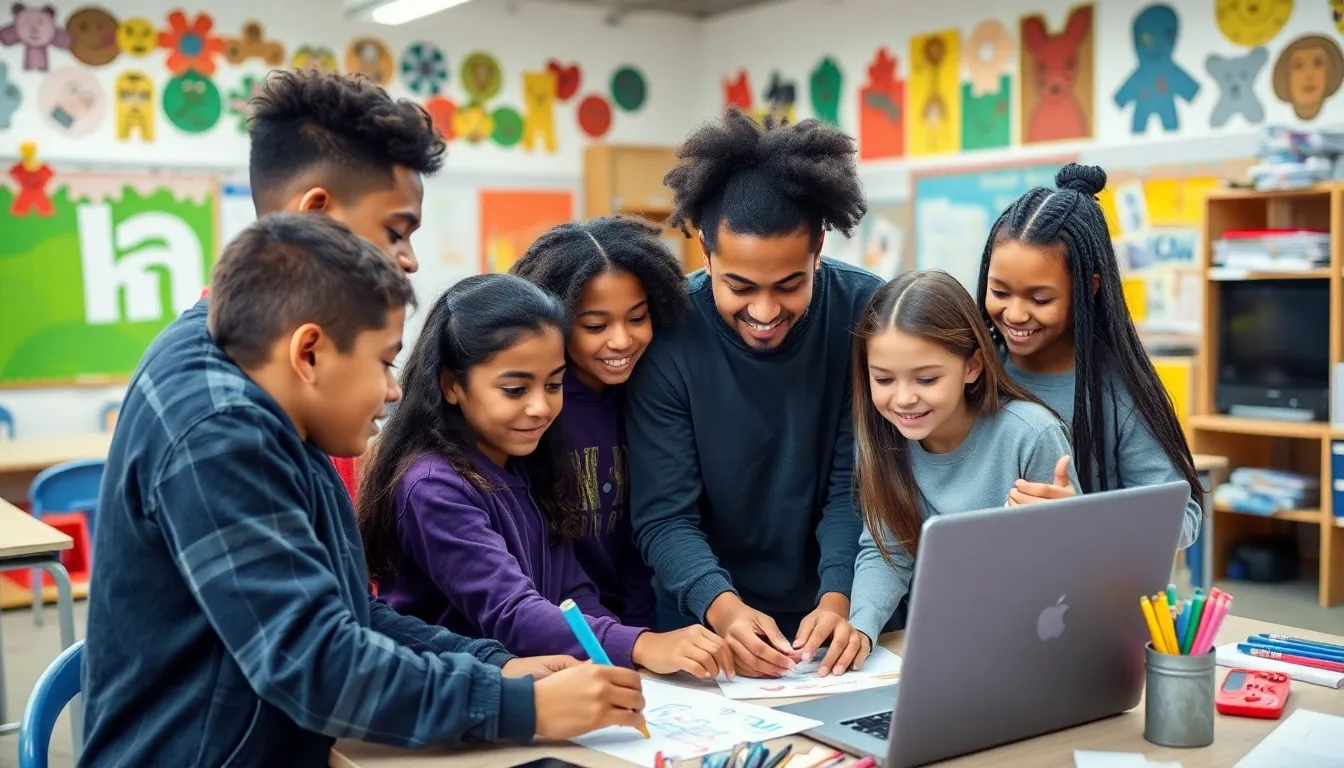
Alternative education schools enhance student learning through various advantages. These institutions prioritize individual needs, making education more effective and relevant.
Personalized Learning Approaches
Tailored education meets students at their unique levels. Educators assess individual strengths and interests, creating customized learning plans. Students engage with materials that resonate with them, boosting motivation and retention. This personal connection fosters a sense of ownership over the learning process. Many alternative education schools encourage students to pursue passions, whether in arts, sciences, or technology, leading to deeper exploration and mastery.
Flexible Curriculum Design
Curricula in alternative education schools adapt to diverse learning styles and paces. Unlike traditional models, these flexible approaches allow integration of various subjects and practical skills. Students explore content through hands-on projects and real-world applications. Such experiences enhance understanding and relevance. Programs can shift based on student feedback and interests, promoting a collaborative environment that values input. As a result, learning becomes a dynamic journey rather than a static path.
Different Types Of Alternative Education Schools
Various types of alternative education schools exist to cater to different learning preferences and needs. Each approach fosters unique educational experiences that prioritize student interests and abilities.
Montessori Schools
Montessori schools emphasize self-directed learning and hands-on experiences. Students engage in independent exploration within carefully prepared environments. Materials designed for different age groups promote sensory learning and practical skills. Collaboration among peers is encouraged, allowing students to learn from one another. Teachers act as guides rather than traditional instructors, fostering autonomy. This method nurtures creativity and critical thinking skills, empowering students to take charge of their education.
Waldorf Schools
Waldorf schools focus on holistic development and artistic expression. This educational approach integrates academics, arts, and practical activities throughout the curriculum. Teachers emphasize storytelling, movement, and creativity in lessons, ensuring that learning feels engaging. Children engage in imaginative play and hands-on projects, allowing them to connect emotionally with the material. Emphasis on social responsibility strengthens community bonds and cultivates empathy. The unique rhythm of the school day balances academics with artistic endeavors, making education a well-rounded experience.
Charter Schools
Charter schools operate independently but receive public funding. These institutions often adopt innovative curricula and teaching methods aimed at improving student outcomes. Flexibility in school governance fosters an ability to tailor programs to address community needs. Accountability measures ensure that schools maintain high educational standards. Many charter schools emphasize a particular focus, such as STEM or the arts, attracting students with diverse interests. Students benefit from smaller class sizes, facilitating more personalized instruction.
Homeschooling
Homeschooling allows families to customize education according to individual student needs. Parents develop tailored curricula that align with their child’s interests and learning pace. This flexible approach encourages direct involvement in the learning process, promoting strong family bonds. Online resources and community groups offer support to homeschooling families, providing access to various educational tools. Extracurricular activities foster socialization and enrichment opportunities, allowing children to interact with peers. By focusing on personalized education, homeschooling equips students with valuable skills for their futures.
Success Stories From Alternative Education Schools
Alternative education schools demonstrate significant success through their unique approaches. Many students thrive in environments where creativity and critical thinking take precedence over standardized testing. For example, a student at a Montessori school developed critical problem-solving skills by participating in collaborative projects that required hands-on learning.
Waldorf schools showcase stories of artistic expression leading to academic success. One student, initially struggling with traditional subjects, found engagement through art-infused lessons, resulting in a remarkable turnaround in motivation and grades. Such narratives highlight the transformative power of integrating creativity into the curriculum.
Charter schools also provide compelling evidence of success. With flexible curricula, students often flourish in settings tailored to their individual interests. A case study from a charter school revealed that a focus on environmental science led a group of students to not only excel in academic performance but also gain recognition for their community service projects.
Homeschooling offers diverse stories of personalized learning experiences. A student’s journey illustrates how custom-tailored lesson plans allowed them to explore personal passions, leading to accomplishments in areas like science fairs and writing competitions. These stories underline the importance of individualized learning paths.
Every success story emphasizes the benefits of small class sizes in alternative education schools. Personalized attention fosters strong relationships between educators and students, leading to improved emotional and academic outcomes. Parents often note how their children display newfound confidence and engagement after switching to these supportive environments.
Through these success stories, alternative education schools continue to prove their effectiveness in catering to diverse learning needs, ultimately creating empowered and well-rounded individuals. The focus on holistic development, creativity, and student input sets them apart from traditional education models.
Alternative education schools are reshaping how students engage with learning. By prioritizing creativity and critical thinking they create environments that nurture individual strengths and interests. These schools foster a sense of community and belonging while offering personalized learning experiences that resonate with diverse learners.
With unique teaching philosophies and flexible curricula students are empowered to take charge of their education. The success stories from these institutions highlight the positive impact of smaller class sizes and hands-on experiences. As alternative education continues to grow it presents a compelling option for families seeking a more tailored approach to learning. Ultimately these schools not only prepare students academically but also equip them with the skills necessary to thrive in an ever-changing world.

