In a world where standardized tests and rigid curricula reign supreme, the concept of educational freedom often feels like a breath of fresh air—or maybe a hearty slice of pizza at a salad convention. Imagine a learning environment where creativity flourishes, individual passions are nurtured, and students aren’t just numbers on a report card. Educational freedom isn’t just a lofty ideal; it’s a game-changer that empowers learners to explore their unique paths.
With the rise of alternative education models, parents and students alike are discovering the joys of tailored learning experiences. Whether it’s homeschooling, unschooling, or innovative charter schools, the options are as diverse as the students themselves. Embracing educational freedom means breaking free from the one-size-fits-all approach and giving learners the keys to their own intellectual adventures. Who wouldn’t want that?
Understanding Educational Freedom
Educational freedom represents a progressive alternative to traditional educational models. It allows students to pursue personalized learning experiences that align with their interests and aspirations.
Definition and Importance
Educational freedom encompasses the right to choose how, what, and where to learn. This concept prioritizes individual preferences over standardized requirements. Learning becomes an enjoyable and motivating process when students engage in subjects that inspire them. Tailored education fosters creativity, critical thinking, and problem-solving skills. These unique approaches facilitate a deeper understanding of knowledge and build confidence in learners. By providing options like homeschooling and unschooling, families can craft educational experiences that meet their children’s specific needs, promoting lifelong love for learning.
Historical Context
Historical developments have shaped the concept of educational freedom over time. In the early 20th century, progressive educators advocated for child-centered learning, emphasizing experiential education. Movements emerged in response to rigid curricula and standardized testing. Alternative education, including Montessori and Waldorf schools, gained traction, promoting individualized learning. The introduction of homeschooling in the 1970s provided parents with more control over their children’s education. Today, rising demand for charter schools reflects a growing desire for flexible educational models. These changes highlight an ongoing shift toward valuing educational freedom as a vital component of a meaningful learning experience.
Benefits of Educational Freedom
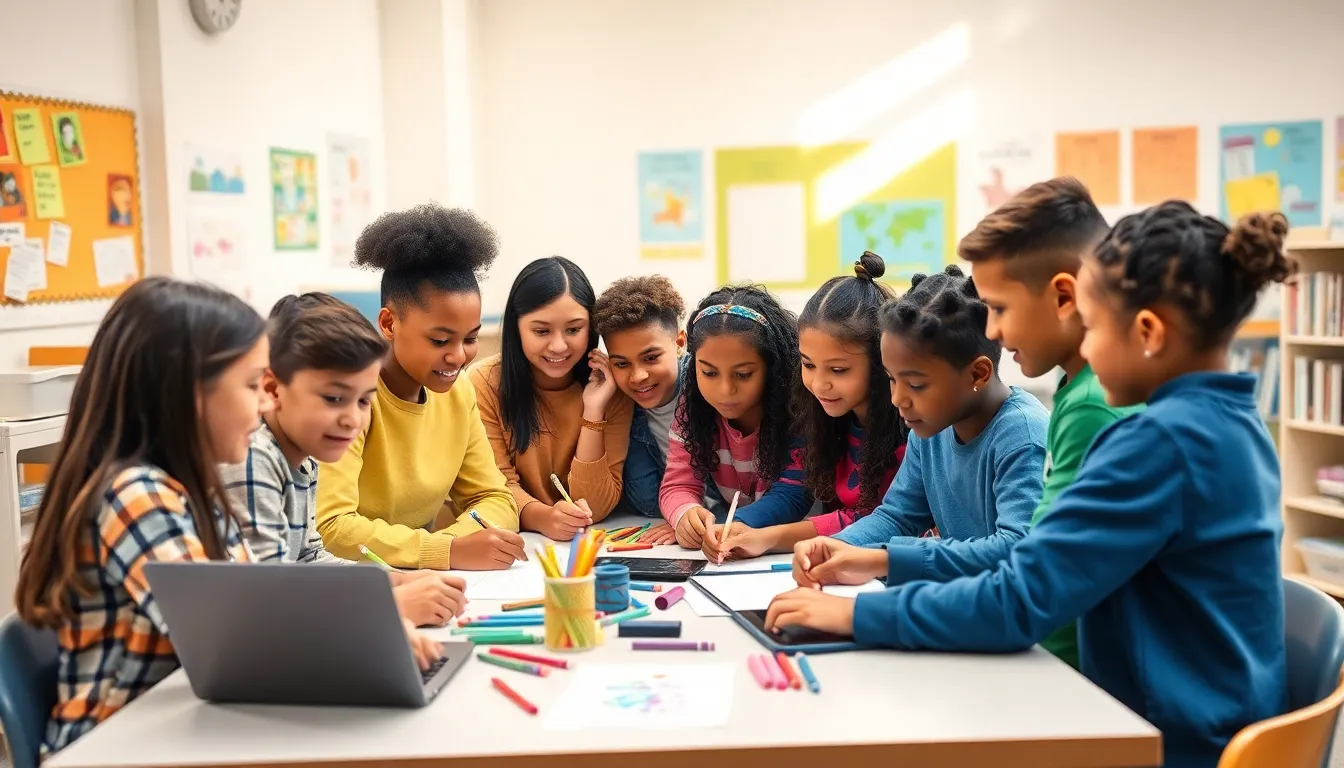
Educational freedom provides numerous advantages that empower students in their learning journeys. This approach accommodates diverse learning styles and interests, fostering a more engaging educational atmosphere.
Encouragement of Innovation
Innovation thrives in educational environments that prioritize freedom. Learners engage in hands-on projects that stimulate creativity. Unique ideas surface when students explore subjects that genuinely interest them. Different methods to solve problems emerge, cultivating critical thinking skills essential for modern challenges. Research indicates that fostering creativity in education leads to enhanced cognitive abilities. Educational freedom, by its nature, encourages a culture of experimentation and the pursuit of personal goals.
Customized Learning Experiences
Customized learning experiences represent a core advantage of educational freedom. Students develop individualized learning plans based on their interests and strengths. Various resources and teaching styles become available, allowing for flexibility in how lessons are approached. Additionally, personalized settings promote mental engagement and motivation. Evidence shows that when students feel involved in their education, they tend to perform better academically. Tailored education can address the specific needs of each learner, paving the way for more effective skill development.
Challenges to Educational Freedom
Educational freedom faces several challenges that hinder its growth and effectiveness. These obstacles include regulatory hurdles and socioeconomic barriers.
Regulatory Hurdles
Regulatory hurdles significantly impact educational freedom. Legislations often impose restrictions on homeschooling and alternative education models. Compliance with state-mandated curricula can limit flexibility and creativity. Some regions may prioritize standardized testing, which stifles individualized learning. Regulations may also create cumbersome paperwork, discouraging parents from choosing alternative methods. Achieving a balance between accountability and freedom remains a challenge for educators and parents alike. Navigating these regulations can restrict the autonomy that alternative education seeks to provide.
Socioeconomic Barriers
Socioeconomic barriers present a major obstacle to educational freedom. Families with limited financial resources may struggle to access alternative education options, such as private schools or homeschooling materials. Disparities in funding can lead to unequal opportunities for students, particularly in underserved communities. Some parents may lack the time or knowledge to effectively engage in homeschooling. Access to quality educational resources can vary significantly based on income, creating inequalities in educational experiences. Without addressing these socioeconomic issues, achieving true educational freedom for all remains elusive.
Educational Freedom Around the World
Educational freedom manifests differently across the globe, reflecting various cultural, political, and social contexts. An understanding of these variations highlights the need for flexible educational models.
Comparative Analysis
Countries vary significantly in their approaches to educational freedom. The United States champions alternative education through homeschooling and charter schools, granting parents the autonomy to choose educational paths. In contrast, Finland emphasizes student-centered learning within a public school framework, focusing on happiness and well-being rather than standardized testing. China offers limited educational freedom; families often face strict regulations and pressure to conform to the national curriculum. Each country presents unique advantages and challenges, illustrating the spectrum of educational freedom available worldwide.
Case Studies
Examining specific examples deepens the understanding of educational freedom. In the United States, families opting for homeschooling often develop personalized curriculums that align with their children’s interests, resulting in increased engagement. The Montessori education system in Italy demonstrates how child-led learning nurtures creativity and independence. In Sweden, public flexibility allows parents to choose from various alternative educational models, fostering a diverse educational landscape. These case studies underscore the diverse implementation and outcomes of educational freedom, revealing valuable insights into its impact on learners.
Educational freedom offers a transformative approach to learning that prioritizes individual needs and interests. By embracing alternative education models, students can cultivate their creativity and critical thinking skills in an environment that values personal exploration. Despite the challenges posed by regulations and socioeconomic barriers, the movement toward customized learning experiences continues to grow.
As educational landscapes evolve globally, the potential for innovative and engaging learning experiences becomes increasingly attainable. This shift not only empowers students but also paves the way for a more inclusive and dynamic educational future. Embracing educational freedom could redefine how society views learning, making it a truly personalized journey for every student.

