
Elementary learning is the magical gateway where curiosity meets knowledge. It’s the time when children embark on their educational journey, armed with crayons and an insatiable thirst for discovery. Picture a classroom buzzing with laughter, where every question leads to another adventure. This isn’t just about ABCs and 123s—it’s about building the foundation for lifelong learning.
Understanding Elementary Learning
Elementary learning serves as a critical phase in educational development, laying the groundwork for future academic pursuits. This stage encourages engagement through exploration, where children experience joy in discovering new concepts. Inquiry-based activities promote curiosity, fostering an environment conducive to learning.
In classrooms, teachers play a vital role. They facilitate hands-on experiences, guiding students through interactive lessons that stimulate interest. The curriculum emphasizes critical thinking, problem-solving, and collaboration among peers. Social skills are developed through group activities, enabling children to communicate effectively and work as a team.
Elementary learning also recognizes diverse learning styles. Visual, auditory, and kinesthetic approaches cater to students’ unique needs. Differentiated instruction allows each child to grasp concepts at their own pace, ensuring no one is left behind.
Integrating technology enhances the learning experience. Educational tools, such as tablets and interactive whiteboards, engage students while enabling access to a wealth of information. Digital platforms support individualized learning paths, allowing children to explore subjects that pique their interest further.
Cognitive development remains a key aspect during this stage. Activities focusing on language acquisition, mathematical reasoning, and scientific inquiry prepare students for future challenges. The emphasis on creativity in areas like art and music encourages self-expression and nurtures imaginative thinking.
Understanding elementary learning is crucial for parents and educators alike. Supporting children in this formative period sets the foundation for a successful educational journey. A focus on nurturing curiosity, creativity, and critical thinking promotes lifelong learning habits, essential for future academic and personal success.
Key Principles of Elementary Learning
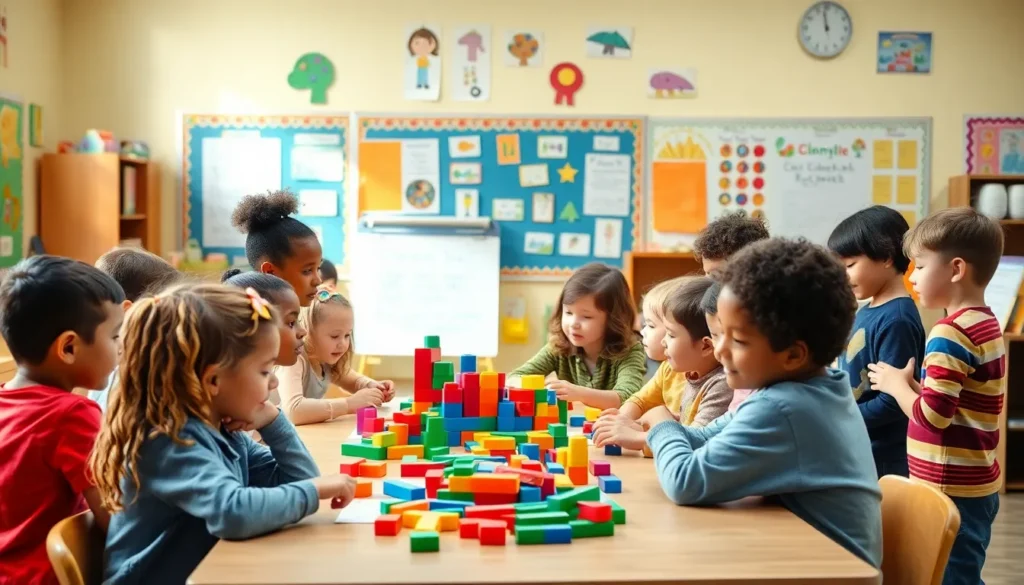
Elementary learning encompasses essential strategies that align with children’s developmental needs and learning preferences. It focuses on fostering an engaging environment conducive to growth.
Developmental Stages
Children progress through specific developmental stages that shape their learning experiences. These stages include physical, cognitive, and social-emotional growth. Physical development influences coordination and motor skills, affecting participation in hands-on activities. Cognitive advancement marks increased problem-solving abilities and critical thinking skills. Social-emotional growth fosters interaction with peers, enhancing communication and collaboration. All these facets are interrelated, guiding educators in tailoring their approaches to support students effectively during this formative period.
Learning Styles
Recognizing that every child learns differently is crucial for effective teaching. Visual learners benefit from diagrams and videos, while auditory learners thrive with discussions and storytelling. Kinesthetic learners engage best through hands-on activities and movement. By implementing a variety of instructional strategies, educators address diverse preferences, ensuring understanding and retention. This differentiation promotes a more inclusive learning environment. Various engagement methods enhance participation and foster a deeper connection to the material, further encouraging a love for learning.
Effective Strategies for Teaching
Effective teaching strategies enhance the elementary learning experience. These strategies create an engaging and supportive environment for young learners.
Engaging Activities
Hands-on activities captivate students’ interest and foster active participation. Examples include science experiments that allow exploration of concepts, art projects that encourage creativity, and role-playing exercises that build communication skills. Collaborative tasks promote teamwork, while games reinforce learning objectives in a fun way. Storytelling captivates attention, introducing new vocabulary and concepts through engaging narratives. Incorporating movement into lessons, such as educational dance or physical games, aids retention. Diverse activities cater to different learning styles, ensuring inclusivity. By blending various engagement methods, teachers stimulate curiosity and excitement, making learning enjoyable.
Use of Technology
Technology serves as a powerful tool in elementary learning environments. Interactive whiteboards enable dynamic presentations, enhancing visual engagement. Tablets provide access to educational apps tailored to individual student needs, reinforcing concepts and encouraging independent exploration. Online resources, such as videos and interactive simulations, make complex subjects accessible and relatable. Additionally, virtual field trips offer unique learning experiences beyond the classroom. Teachers can also use multimedia presentations to make lessons more interactive and engaging. Integrating technology into the curriculum fosters digital literacy while supporting varied instructional strategies, preparing students for a technology-driven world.
Challenges in Elementary Learning
Elementary learning faces various challenges that can hinder a child’s educational experience. Awareness of these obstacles helps educators and parents support students effectively.
Learning Disabilities
Learning disabilities present unique challenges in elementary classrooms. Students with such disabilities often struggle with reading, writing, or math. Early identification plays a crucial role in providing tailored intervention strategies. Specialized instruction helps students build confidence and skills. Collaboration among teachers, parents, and specialists ensures that appropriate resources are available. For instance, individualized education plans (IEPs) address specific needs, helping to create a supportive learning environment. Addressing learning disabilities can significantly enhance a child’s academic journey, promoting success in various subjects.
Classroom Management
Classroom management greatly impacts the effectiveness of learning in elementary settings. Engaging young learners requires a balance of structure and flexibility. Clear guidelines foster a positive atmosphere, allowing students to focus on learning. Effective teachers utilize diverse strategies, such as establishing routines, setting behavioral expectations, and implementing rewards systems. Maintaining a calm environment minimizes disruptions and encourages participation. For instance, using small group activities promotes collaboration and maintains student engagement. Strong classroom management not only enhances the learning experience but also supports emotional and social development.
Elementary learning is a pivotal phase that shapes a child’s educational path. It nurtures curiosity and creativity while laying the groundwork for future academic success. By embracing diverse learning styles and employing effective teaching strategies, educators create an inclusive environment that fosters growth.
The integration of technology further enhances this experience, making learning more engaging and accessible. As children navigate this formative stage, the support from teachers and parents plays a vital role in their development. By prioritizing a supportive and stimulating atmosphere, the foundation for lifelong learning habits is established, ensuring children are well-prepared for the challenges ahead.

