
High school is more than just a place for textbooks and exams; it’s a melting pot of unforgettable traditions that shape memories for a lifetime. From pep rallies that pump up school spirit to the legendary prom night that’s often more anticipated than a surprise snow day, these rituals create a sense of belonging and ignite the nostalgia that hits harder than a late-night study session.
Overview of High School Traditions
High school traditions play a significant role in shaping students’ experiences and memories. Events like pep rallies bring the student body together, fostering school spirit and unity. Prom night stands out as one of the most memorable occasions, offering students a chance to celebrate their achievements.
Various activities create a sense of community within schools. Homecoming festivities, including parades and football games, strengthen bonds among classmates and alumni. Additionally, graduation ceremonies hold immense importance, marking the transition into adulthood and celebrating academic accomplishments.
Clubs and organizations often initiate their own traditions, enhancing student engagement. For instance, yearbook committees preserve memories through creative projects, documenting the year’s highlights. Spirit weeks promote enthusiasm, allowing students to express their identities through themed attire.
Cultural events such as multicultural festivals celebrate diversity, educating students about different backgrounds while promoting inclusivity. Fundraising events, such as bake sales and car washes, not only bring awareness to causes but also unite the student body for a common purpose.
Each tradition contributes to the shared experience of high school life. Students often reminisce about these moments long after graduation, reinforcing the notion that high school traditions foster a lifelong sense of belonging and connection within communities.
Types of High School Traditions
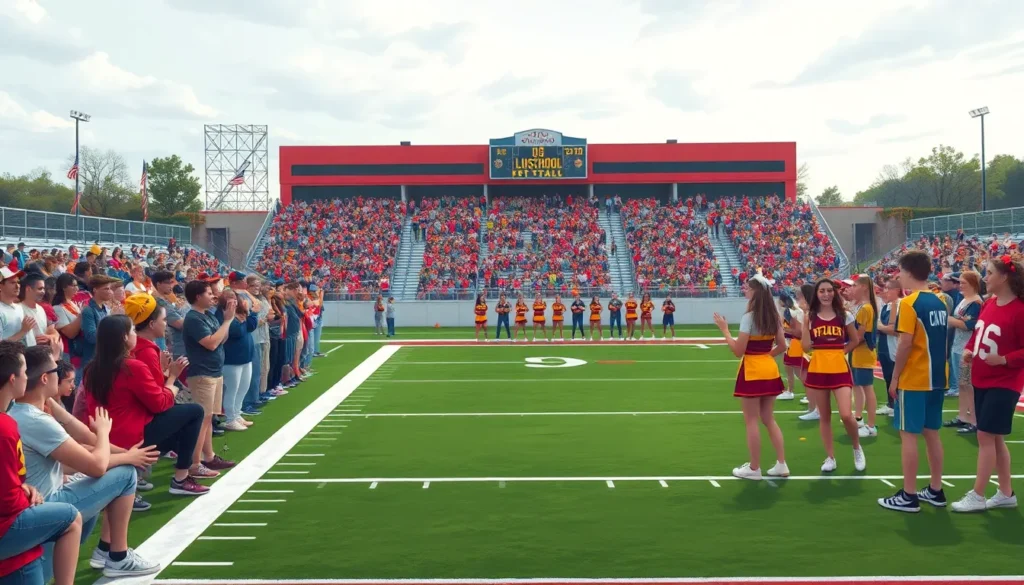
High school traditions encompass a variety of events that foster community connectiveness and school spirit. These events create shared experiences that students cherish.
Sporting Events
Sporting events play a significant role in high school culture. Football games attract large crowds, sparking school spirit and unity among students. Basketball tournaments bring excitement, encouraging rivals to compete fiercely. Cheerleading squads rally the audience, adding energy to the atmosphere. Additionally, team sports cultivate friendships and foster camaraderie. Fundraising events surrounding sports, such as bake sales or car washes, support teams while bringing people together. Overall, these athletic traditions promote teamwork and school pride.
Academic Celebrations
Academic celebrations highlight student achievements, creating an environment that values education. Honor roll ceremonies recognize outstanding students, motivating peers to excel. Science fairs allow students to showcase their innovative projects, encouraging intellectual exploration. Academic competitions, like debate tournaments and math contests, build confidence and public speaking skills. Award ceremonies recognize scholarships and achievements, emphasizing the importance of academic success. These celebrations foster a culture of learning and encourage students to strive for excellence.
Cultural Festivals
Cultural festivals celebrate the rich diversity within high schools, enhancing inclusivity. Multicultural events showcase traditions through performances, food, and art, providing a platform for various backgrounds. Students participate in workshops that teach others about their cultures, promoting understanding. These festivals help build solidarity among different student groups. Language clubs often contribute by sharing linguistic skills and cultural knowledge. Celebrating cultural heritage fosters respect and appreciation for differences, enriching the high school experience.
The Importance of High School Traditions
High school traditions greatly enhance the overall student experience, creating lasting memories and fostering a sense of belonging.
Building Community and Identity
Traditions play a key role in building community among students. Events like homecoming week encourage participation from the entire student body. Students come together, creating bonds that last beyond graduation. Shared experiences during team events, clubs, and group activities reinforce group identity. The diverse celebrations, such as multicultural festivals, help students appreciate different backgrounds. Engaging in these traditions cultivates a welcoming atmosphere and nurtures friendships that form an essential part of high school life.
Fostering School Spirit
High school traditions actively promote school spirit in numerous ways. Pep rallies generate excitement and energize students before major events. Attendance at sporting events encourages camaraderie and support for teams. Students often wear school colors or join chants, amplifying team pride. The excitement surrounding prom night creates anticipation and strengthens school culture. Involvement in traditions leads students to develop pride in their school, creating lasting memories associated with shared achievements and celebrations.
Evolution of High School Traditions
High school traditions have transformed significantly over the decades. Cultural, social, and technological changes drive these evolutions. For instance, events like pep rallies adapted to embrace social media, creating more engagement and reach.
Sports remain central to school spirit, but the variety of games and competitions has expanded. Increasingly, schools now host events such as eSports tournaments. Academic celebrations have seen similar growth, moving beyond traditional honor roll ceremonies to include initiatives like STEM fairs and interdisciplinary projects.
Additionally, cultural festivals evolve to embrace greater inclusivity. Schools now spotlight a wider range of traditions and backgrounds, reflecting the increasingly diverse student bodies. Homecoming events have also shifted in focus, often incorporating service projects that unite students around community engagement.
The methods of communication during these traditions changed too. Schools utilize social media platforms to broadcast events, allowing students and families to stay connected and involved. Attendance numbers at events like prom reflect this adjustment, with more students participating in various ways, including virtual components.
The essence of high school traditions remains intact. They still foster community, but the forms and expressions of these traditions evolve continually. The ways they celebrate achievements and inclusivity adapt to the values of contemporary society, ensuring relevance and excitement for new generations of students.
High school traditions are more than just events; they’re the heartbeat of the student experience. They forge connections among peers and create cherished memories that last a lifetime. As schools adapt to changing times they continue to embrace these rituals while ensuring inclusivity and engagement for all students.
Whether it’s through spirited sporting events or vibrant cultural festivals these traditions cultivate a sense of belonging that shapes not only the high school journey but also the identities of those who participate. Ultimately, they serve as a reminder of the shared experiences that unite generations of students.

