In a world where the traditional classroom often feels like a relic of the past, non-traditional education is shaking things up. Forget the four walls and the rigid desks; this approach invites learners to explore, create, and thrive in ways that suit their unique styles. Whether it’s through online courses, experiential learning, or even unschooling, the options are as diverse as the students themselves.
Imagine trading in that stuffy lecture for a hands-on workshop or a virtual reality adventure that brings lessons to life. Non-traditional education isn’t just a trend; it’s a revolution that empowers individuals to take charge of their learning journeys. With flexibility and innovation at its core, this educational model is proving that knowledge can be gained anywhere—even from the comfort of a couch, pajama-clad and munching on snacks. So, let’s dive into the exciting world of non-traditional education and discover how it’s reshaping the future of learning.
Understanding Non-Traditional Education
Non-traditional education diverges from conventional methods through flexible learning experiences. Learners encounter diverse environments that support personalized growth and exploration.
Definition and Scope
Non-traditional education encompasses various methods that move beyond traditional classroom settings. This includes online courses, apprenticeships, and self-directed programs, offering choices tailored to individual needs. Each approach focuses on motivating individuals to pursue knowledge at their own pace, accommodating different lifestyles and commitments. Moreover, the rise of technology aids in expanding the reach of educational offerings, making it easier for learners to access resources worldwide.
Key Characteristics
Flexibility defines non-traditional education, allowing students to balance their studies with personal commitments. Experiential learning approaches emphasize practical engagement rather than rote memorization. An open structure encourages creativity and critical thinking, fostering a deeper understanding of subjects. Collaboration among peers and mentors cultivates a supportive learning community. Options for evaluation also vary, with alternative assessments emphasizing mastery over standardized tests.
Types of Non-Traditional Education
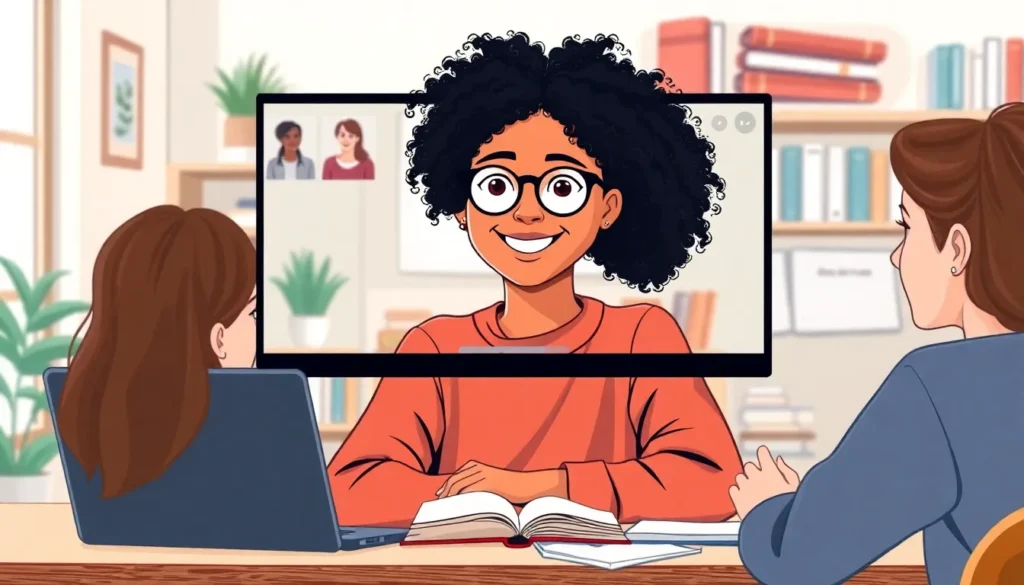
Various forms of non-traditional education exist, each offering unique benefits and approaches to learning. These methods provide flexibility and cater to individual needs.
Online Learning
Online learning encompasses courses delivered through digital platforms, allowing students to study from anywhere. Students access a wealth of resources, including video lectures and interactive assignments. With options for both synchronous and asynchronous formats, learners choose times that fit their schedules. Platforms like Coursera and edX offer courses from renowned institutions, enhancing the quality of education. Online learning fosters self-discipline while encouraging collaboration in virtual study groups, strengthening peer support networks.
Homeschooling
Homeschooling provides an alternative to traditional schooling, allowing families to tailor their educational experiences. Parents design curricula that align with their children’s interests and learning styles, focusing on individual strengths. This approach encourages creativity, as families can incorporate real-world projects and field trips into their lessons. Many homeschooling communities offer support through co-ops and resources, creating a collaborative environment. State regulations vary, so families often research requirements for effective planning.
Experiential Learning
Experiential learning emphasizes hands-on experiences to deepen understanding. Learners engage in activities like internships, workshops, or volunteer opportunities, applying knowledge in real-world contexts. This approach cultivates critical thinking and problem-solving skills, essential for personal and professional development. In many cases, facilitators guide participants through reflective practices, enhancing the learning process. Organizations like Outward Bound exemplify experiential learning, promoting personal growth through outdoor challenges and teamwork.
Benefits of Non-Traditional Education
Non-traditional education offers various advantages that cater to different learning styles and needs. These benefits enhance the overall educational experience, making it more effective and engaging.
Flexibility and Accessibility
Flexibility stands out as a key advantage of non-traditional education. Learners can access resources and courses from virtually anywhere, whether through online platforms or community-based initiatives. This accessibility allows individuals to tailor their schedules based on personal commitments. Diverse learning options fit various lifestyles, accommodating working professionals and students alike. Additionally, geographical barriers diminish as programs expand to reach a global audience. Non-traditional education often provides asynchronous learning, freeing students from rigid time constraints. Such flexibility encourages lifelong learning, enabling learners to pursue education alongside other responsibilities.
Personalized Learning Experiences
Personalization drives the appeal of non-traditional education. Customized curricula align with students’ interests, strengths, and goals. Educators can adapt learning materials, ensuring that content resonates with learners on a deeper level. Self-directed programs empower individuals to choose topics that excite them, fostering intrinsic motivation. Projects that tie into real-world scenarios further enhance engagement and retention. By encouraging exploration of personal passions, non-traditional education nurtures creativity and independent thinking. This degree of customization not only enhances comprehension but encourages overall growth in essential skills, preparing learners for future challenges.
Challenges of Non-Traditional Education
Non-traditional education presents various challenges that impact learners and educators. Socialization concerns arise as students in alternative learning environments may experience limited interaction with peers. Face-to-face social skills are essential for personal development. They often miss out on the camaraderie found in traditional schools through clubs, activities, and casual interactions. While online and homeschooling settings provide some community opportunities, the depth of social engagement can differ significantly.
Recognition and accreditation issues further complicate non-traditional education pathways. Many employers and higher education institutions might not recognize non-traditional credentials as equivalent to traditional diplomas. As a result, students face hurdles when applying for jobs or further education. Accreditation varies widely among non-traditional programs, leading to uncertainty about their validity. This inconsistency can hinder learners’ confidence in their education and affect their opportunities for advancement.
Future Trends in Non-Traditional Education
Non-traditional education continues evolving, driven by innovative trends that shape learning experiences. Two significant areas of focus include technology integration and lifelong learning approaches.
Technology Integration
Technology enhances access and engagement in non-traditional education. Digital platforms deliver diverse online courses, providing resources anytime and anywhere. Virtual reality and augmented reality technologies immerse students in realistic scenarios, fostering interactive learning experiences. Data analytics tracks progress, enabling personalized education paths tailored to individual needs. Furthermore, collaboration tools connect learners and instructors in real time, facilitating dynamic exchanges of ideas.
Lifelong Learning Approaches
Lifelong learning takes center stage in non-traditional education, promoting adaptability and growth. Continuous education fuels skill development necessary for today’s fast-paced job market. Workshops, seminars, and online courses offer opportunities for individuals to update their knowledge regularly. Moreover, organizations increasingly support employee training initiatives to enhance career progression. Emphasis on personal interests fosters passion projects, encouraging learners to explore subjects beyond traditional boundaries. Flexible learning environments accommodate diverse lifestyles, ensuring that education remains relevant throughout life.
Non-traditional education is reshaping the landscape of learning by offering innovative and flexible approaches that cater to individual needs. As technology continues to evolve, access to diverse resources and personalized learning experiences will only expand. This model encourages critical thinking and creativity while preparing learners for the complexities of the modern world.
While challenges such as socialization and recognition persist, the benefits of non-traditional education are undeniable. It empowers individuals to pursue their passions and adapt to an ever-changing job market. Embracing this educational shift can lead to a more inclusive and dynamic learning environment that values personal growth and lifelong learning.

