
As the first day of school approaches, parents everywhere start to panic. Is my child ready? Will they know how to use a glue stick without turning the classroom into a sticky disaster? School readiness isn’t just about knowing the alphabet; it’s about equipping little ones with the social skills and emotional resilience they’ll need to thrive.
Understanding School Readiness
School readiness encompasses a child’s preparedness for the academic and social challenges of school. It integrates various skills beyond academics, preparing children for a holistic learning experience.
Definition of School Readiness
School readiness is defined as a child’s ability to navigate the environments and expectations of school. It includes cognitive skills such as recognizing letters and numbers. Social skills, like sharing and cooperating, also play a critical role. Emotional readiness encompasses a child’s capacity to manage feelings and respond to challenges. Developmentally, a child should possess a blend of these skills to thrive in the classroom.
Importance of School Readiness
School readiness significantly impacts long-term educational success. Data shows that children who start school prepared are more likely to achieve higher academic performance. They demonstrate better social interactions with peers and teachers. Early readiness supports smoother transitions into the structured school environment. Engaging in activities that promote readiness can also reduce anxiety about starting school. Prioritizing these skills leads to a more positive educational journey and strengthens emotional resilience.
Factors Influencing School Readiness
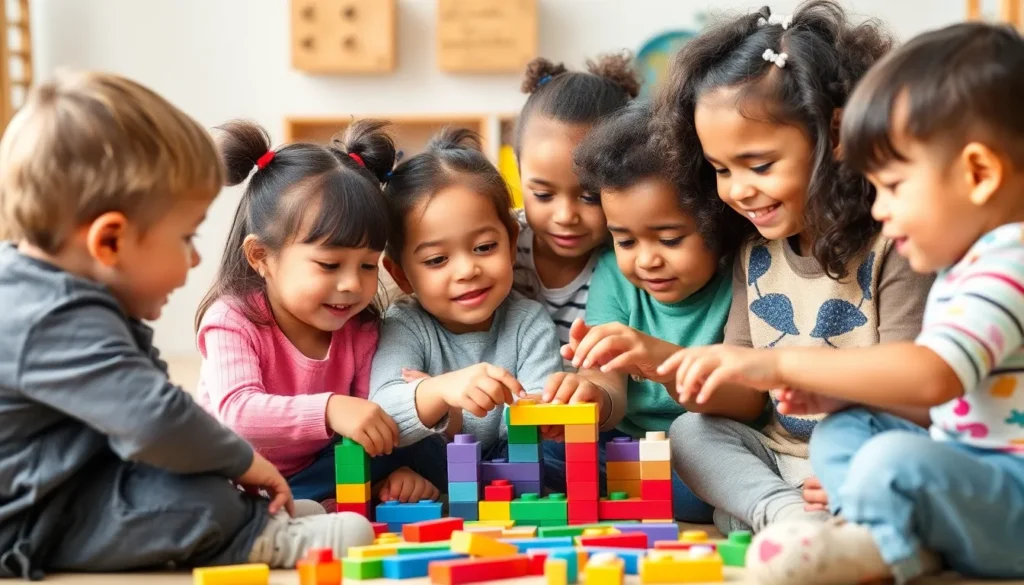
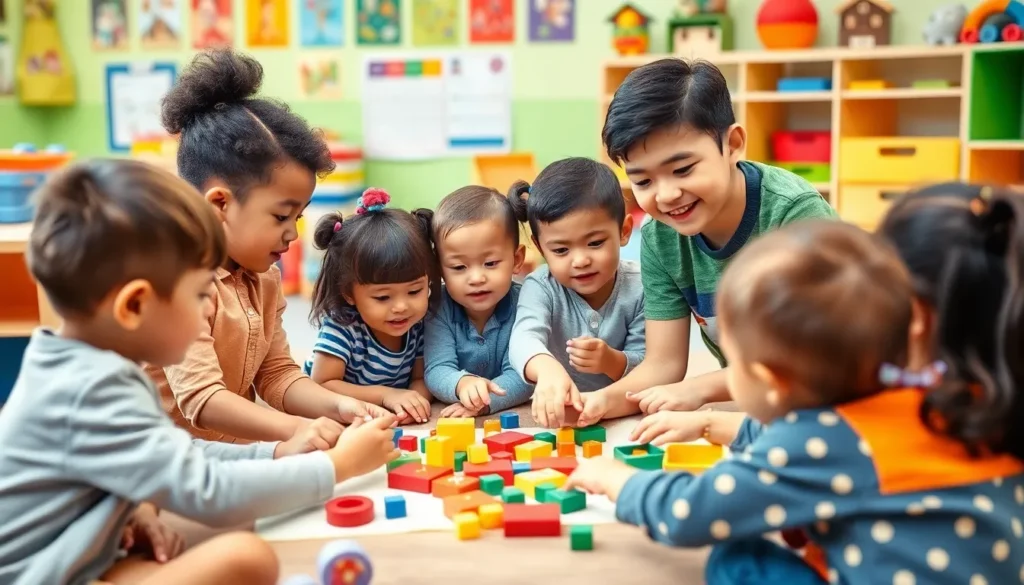
Recognizing the various factors that influence school readiness helps parents prepare their children effectively. These factors encompass developmental milestones and socioeconomic influences.
Developmental Milestones
Children achieve specific developmental milestones critical for school readiness. These include cognitive skills, such as problem-solving and language acquisition. Emotional development significantly impacts a child’s ability to regulate emotions and interact with peers. Social skills involving sharing and cooperation also play a vital role. Parents can support these milestones through activities that spark curiosity and promote self-expression. Engaging children in play-based learning experiences can further enhance these essential skills.
Socioeconomic Factors
Socioeconomic factors greatly influence school readiness. Families with lower socioeconomic status may face challenges like limited access to educational resources. Community support programs can help bridge this gap, providing children with necessary tools for success. Nutrition has a significant impact; well-nourished children often perform better academically. Parental involvement also varies, affecting educational aspirations and children’s attitudes toward learning. Schools can foster readiness by collaborating with families to address these socioeconomic barriers.
Assessing School Readiness
Assessing school readiness involves evaluating children’s cognitive, social, and emotional skills. This comprehensive approach ensures they can thrive in an educational setting.
Tools and Techniques
Effective tools include checklists, observation scales, and standardized assessments. Checklists help parents track developmental milestones. Observation scales allow educators to note behavior and interactions in classroom environments. Standardized assessments measure academic skills like literacy and numeracy, providing a benchmark for readiness. Families can integrate activities like reading together and engaging in problem-solving games to reinforce learning. Additionally, community organizations often provide workshops for parents to enhance readiness assessments.
Role of Educators and Parents
Educators play a critical role in assessing readiness by creating supportive learning environments. They observe children’s interactions and guide social skill development. Parents contribute by encouraging independence and communication at home. Daily routines that include household responsibilities help cultivate essential life skills. Collaborating is essential; regular meetings between educators and parents ensure aligned goals for child development. Understanding each child’s unique needs leads to tailored strategies that promote school readiness effectively.
Strategies to Enhance School Readiness
Enhancing school readiness involves targeted approaches that nurture essential skills in young children.
Early Childhood Education Programs
Early childhood education programs significantly promote school readiness. These structured programs offer guided learning experiences that blend cognitive, social, and emotional development. Research indicates that children attending high-quality early childhood programs show improved academic outcomes. Activities often include interactive play, storytelling, and group projects, allowing children to develop language skills and social cooperation. Access to well-designed curriculums helps children grasp foundational concepts like numbers and letters, making transitions to formal schooling smoother. Engaging educators create warm environments where children feel safe to explore learning.
Parental Involvement
Parental involvement plays a crucial role in preparing children for school. Active participation in a child’s learning enhances their confidence and motivation. Reading together daily fosters vocabulary growth and comprehension skills. Establishing routines such as meal preparation and family discussions strengthens communication abilities. Parents who engage in problem-solving activities promote critical thinking and resilience. Supportive behaviors, including attending school events and collaborating with teachers, reinforce shared goals for children’s development. Strong partnerships between parents and educators create cohesive strategies that address individual needs, ultimately increasing school readiness.

