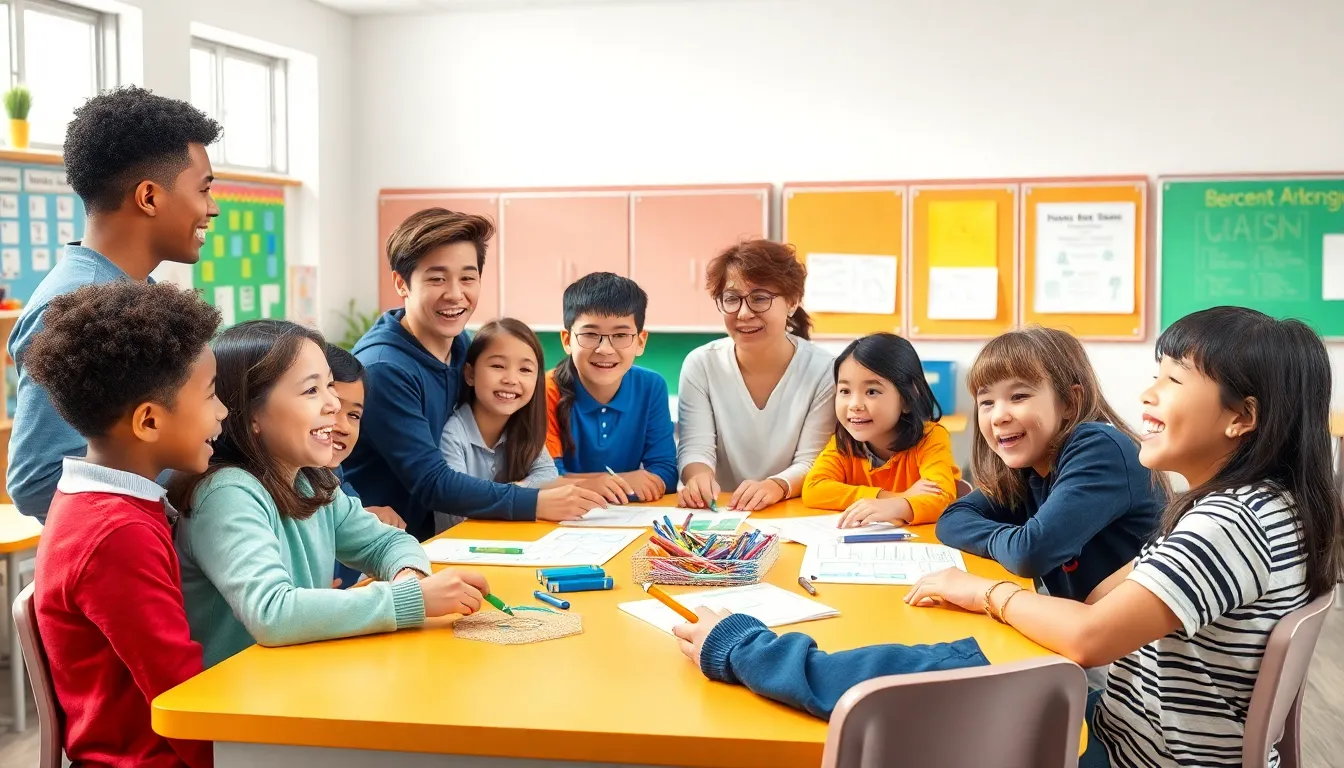
In a world where traditional classrooms often feel like a scene from a sitcom gone wrong, alternative education swoops in like a superhero, cape flapping in the wind. It’s all about breaking the mold and offering fresh, innovative ways to learn. Instead of endless rows of desks and a single teacher droning on, alternative education embraces creativity, flexibility, and a touch of chaos—because who says learning can’t be fun?
From Montessori methods to unschooling, alternative education caters to diverse learning styles and paves the way for personalized experiences. It challenges the status quo and invites students to explore their passions while developing critical life skills. So if the thought of sitting in a stuffy classroom makes you want to run for the hills, it might be time to discover the exciting world of alternative education.
Understanding Alternative Education
Alternative education encompasses various teaching methods outside the traditional educational framework. Flexible learning environments characterize these approaches, allowing students to thrive based on individual needs. Montessori schools emphasize self-directed learning, encouraging autonomy and creativity through hands-on activities.
Unschooling, another alternative method, allows learners to pursue their interests without a structured curriculum. This learner-centered philosophy builds essential lifelong skills, promoting curiosity and critical thinking. These educational models prioritize personalized learning, adapting to different learning styles and paces for every child.
Another component of alternative education is Waldorf education, which integrates arts and academics. This holistic approach nurtures creativity and emotional intelligence while focusing on community engagement and real-world experiences. The integration of technology into alternative education also equips learners with digital literacy necessary for the modern world.
Research indicates that students in alternative settings often perform better academically and exhibit greater engagement levels. Recent studies show a correlation between alternative educational methods and improved social skills among students. While some may question the efficacy of these non-traditional approaches, many successful individuals attribute their achievements to the flexibility and encouragement found in alternative education.
To summarize, alternative education provides diverse pathways for learning, prioritizing creativity, autonomy, and personalized experiences. These models empower learners to develop their passions and prepare them for life beyond school. For those eager to explore educational options, alternative education offers promising alternatives that resonate with diverse needs and aspirations.
Key Principles of Alternative Education
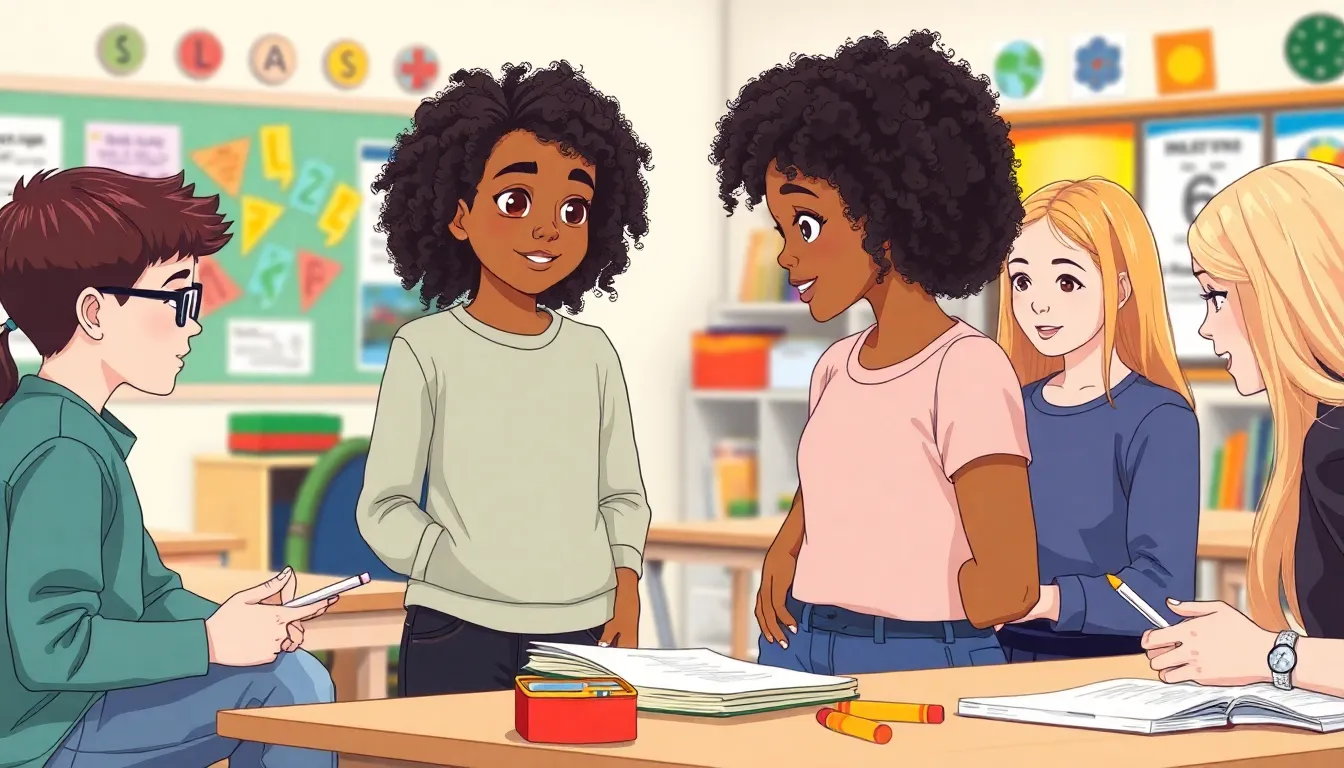
Alternative education relies on several key principles that differentiate it from traditional systems. Focused on enhancing the learning experience, these principles encourage students to engage deeply and meaningfully with their education.
Student-Centered Learning
Student-centered learning emphasizes the individual needs and interests of each learner. Education serves as a vehicle for personal growth, encouraging exploration rather than rote memorization. Educators facilitate learning based on students’ unique strengths, empowering them to take ownership of their education. Critical thinking and inquiry thrive in this environment. By engaging in collaborative projects and discussions, students not only explore subjects but also connect with peers in meaningful ways.
Flexibility in Curriculum
Flexibility in curriculum allows for adaptation to a student’s evolving needs and interests. Altering the structure benefits learners who flourish outside conventional confines. Education can shift based on what resonates with the students, leading to increased engagement and motivation. Various subjects intertwine, promoting interdisciplinary learning. Assessments also evolve, focusing on skills and understanding instead of standardized testing. Such flexibility cultivates a love for learning, encouraging students to pursue knowledge actively.
Types of Alternative Education
Alternative education includes various models that differ from traditional schooling approaches. Each model provides unique philosophies and methods tailored to individual learning preferences.
Montessori Education
Montessori education emphasizes self-directed learning, allowing students to choose activities that align with their interests. It incorporates mixed-age classrooms, where older students serve as mentors. Learning takes place through hands-on experiences, encouraging exploration and discovery. Teachers in Montessori settings act as guides, fostering independence and critical thinking skills. Research suggests that students in Montessori programs exhibit enhanced academic performance and social skills compared to their peers in conventional schools.
Waldorf Education
Waldorf education integrates arts and academics, promoting a holistic approach to learning. Curriculum focuses on creativity and emotional intelligence, enhancing students’ understanding of the world. It follows a specific developmental sequence, tailoring lessons to align with children’s natural growth stages. Community engagement plays a vital role, with hands-on projects and outdoor experiences enriching the educational process. Studies indicate that Waldorf students often display strong problem-solving abilities and a deeper sense of empathy.
Democratic Schools
Democratic schools prioritize learner autonomy, empowering students to participate in decision-making processes. These environments encourage collaboration and self-governance, stressing the importance of individual voice in education. Students determine their curricula and choose the subjects they wish to explore. This model cultivates a sense of responsibility and ownership over their learning. Evidence shows that graduates from democratic schools exhibit strong leadership skills and a commitment to social responsibility.
Benefits of Alternative Education
Alternative education offers numerous advantages that cater directly to the needs of individual learners. Flexibility characterizes many alternative programs, enabling personalized learning experiences that adapt to various styles and interests.
Individualized Learning Experiences
Individualized learning experiences empower students to take charge of their education. Learners explore subjects that genuinely excite them, promoting deeper engagement and understanding. Personalized curricula often emphasize student interests and talents, allowing for mastery at each learner’s pace. This approach enhances the educational journey, focusing on growth rather than standardized measures. Many alternative education models include one-on-one mentorship, providing direct support tailored to individual needs. Ultimately, students benefit from a learning process that respects their uniqueness and fosters lifelong learning skills.
Enhanced Creativity and Critical Thinking
Enhanced creativity and critical thinking emerge as vital components in alternative education. These programs prioritize innovative thinking by encouraging imaginative exploration and problem-solving. Students often participate in hands-on projects that stimulate critical analysis and creative expression. With a focus on real-world applications, learners cultivate the ability to think outside the box. Additionally, alternative settings frequently integrate arts and interdisciplinary studies, promoting holistic development. By valuing creativity alongside academic growth, alternative education prepares students for dynamic challenges in their futures.
Challenges Facing Alternative Education
Alternative education faces several challenges that hinder its growth and acceptance in mainstream culture. Funding and resource availability presents a significant obstacle, impacting the capacity of many programs to provide quality education.
Funding and Resources
Limited funding affects alternative education programs, influencing their ability to deliver innovative learning experiences. Many rely on grants, donations, or tuition; thus, financial sustainability often proves challenging. Schools without steady funding might cut essential resources like teaching materials, technology, or extracurricular activities, hampering student engagement. Additionally, some alternative programs lack access to adequate facilities and spaces conducive to experiential learning. Consequently, these financial constraints may undermine the efficacy of their educational strategies.
Perceptions and Misconceptions
Misunderstandings about alternative education frequently contribute to its challenges. Critics often perceive these methods as less rigorous and question their effectiveness compared to traditional schooling. Some parents or educators believe alternative approaches promote a casual learning environment, overlooking the critical thinking development these programs offer. Distinguishing facts from misconceptions about alternative education remains vital, as it emphasizes the value and innovation these models bring to students’ educational journeys.

